

Limescale and calcium deposits are a common problem for many people. To remove limescale, you don't need any special cleaning products, just some old favourites like vinegar, vinegar and citric acid!
Most often, you'll find limescale in kitchens and bathrooms, which is not surprising as these are areas where water is used. Common places where you can see traces of limescale are in the sink, kettle and taps in both the kitchen and bathroom. With the following housewife tips, you can easily remove limescale - without having to scrub for hours.
Remove limescale with vinegar
You can use vinegar to clean most things in your home, and it's particularly effective against limescale. Did you know that vinegar gets its superpower from its high acidity? It is with the help of corrosive acids that vinegar can remove limescale without much trouble.
Remove limescale in the kitchen
In the kitchen, the kettle and coffee machine are often the quickest to suffer from limescale build-up. This is because we constantly fill these machines with tap water. But don't worry, limescale is not dangerous to ingest, so it's more a question of keeping the kitchen clean than a safety issue. Read everything you need to know about how to descale your coffee maker (step by step).
Cleaning the kettle
Cleaning a kettle is easy, all you need to do is pour in 1 decilitre of vinegar and fill up with water. Then switch on the kettle as usual. Once it has finished boiling, you can pour out the mixture and repeat the process to get rid of the vinegar flavour - but this time with water only.
Remove limescale from taps and sinks
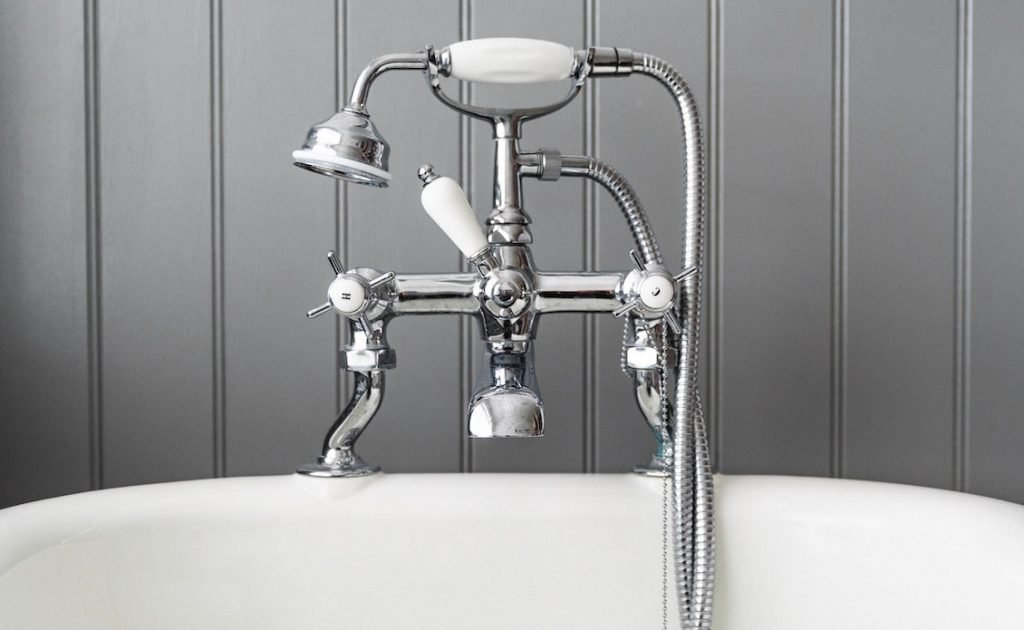
In the bathroom, you can find limescale deposits on the shower tap, tiles, in the sink and on the water tap. Get a sparkling clean bathroom in the following steps:
You will need:
- Ettika
- water
- Spray bottle
- Paper napkins/towel
Do this:
- Place paper napkins, or a towel you no longer use, around the tap. Make sure all surfaces are covered.
- Spray on thoroughly with your vinegar and water mixture. The paper/towel should be soaked.
- Leave it on for at least an hour. If there are a lot of deposits, you can leave it on overnight.
The longer the vinegar is left to work, the more it has time to eat away at the lime. However, be careful not to apply this method to gold-plated taps or other sensitive materials. There is a risk that the vinegar will eat through the lime and damage the material. The housewife's tip works just as well in your sink - be sure to try it!
Do you miss vinegar? Here's what you can use instead
If you've been on the go and cleaned your entire home, you might find that you run out of vinegar. But don't worry, you can use all of both citric acid and vinegar instead. However, you may not get as shiny and clean a result!
Don't have time to remove all the limescale? Hire Hello Clean for weekly home cleaning - let the professionals do their magic.
Frequently asked questions about lime & limescale:
Why is lime formed?
Calcium is formed when water is rich in minerals such as magnesium and calcium. We usually talk about soft and hard water, which is actually a measurable scale of how mineral-rich the water is in your town. Depending on where you live, the water is more or less hard. Harder water contains more minerals, resulting in more calcium deposits in your home.
Is lime dangerous?
No, on the contrary! Calcium is basically minerals and calcium that are beneficial to the body. So you don't need to worry about getting enough calcium.